Virtual Reality

Virtual Reality

Term explanation

Definition and meaning

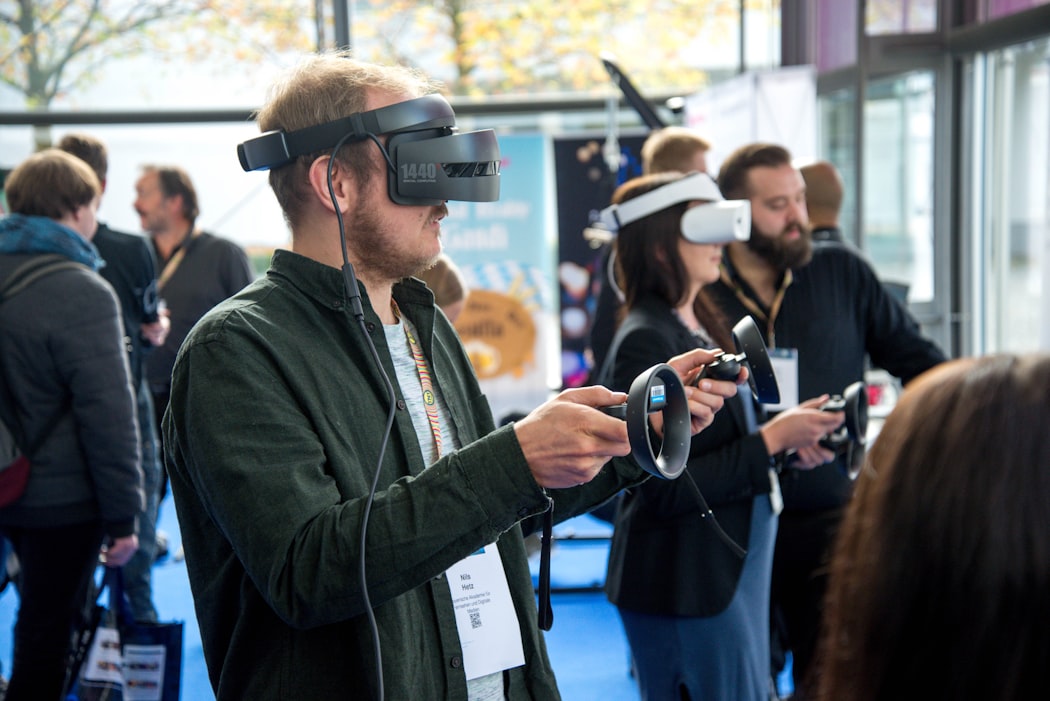
In a learning context, virtual reality (VR) creates immersive, simulated environments in which learners can practice skills, explore scenarios, or experience situations that would be difficult, expensive, or dangerous to replicate in real life. VR training is used in industries such as healthcare, aviation, manufacturing, and emergency services. By placing learners inside a realistic environment, VR significantly increases engagement, retention, and the transfer of skills to real-world performance.

Before or after a VR learning experience, SlideLizard LIVE helps you gauge prior knowledge and gather feedback with live polls and quizzes directly in PowerPoint — making debriefs and knowledge checks seamlessly interactive.

Learn more →

Other glossary terms

AI Guardrails

AI guardrails are controls and constraints built into an AI system to limit what it can do, access, or produce. They define the boundaries of autonomous behavior: preventing an agent from accessing unauthorized data, generating off-brand content, or taking irreversible actions without approval. In enterprise environments, guardrails work alongside human-in-the-loop checkpoints to ensure that Agentic AI automation delivers efficiency without compromising security, brand integrity, or regulatory compliance.

Learn more

Multimedia Presentation

A multimedia presentation combines multiple types of content — such as text, images, audio, video, animations, and interactive elements — into a single cohesive slide deck or digital experience. By engaging more senses, multimedia presentations improve audience attention and retention compared to text-heavy slides. They are used in marketing, training, education, and corporate communications. Modern presentation tools make it straightforward to integrate diverse media types, though content balance and loading performance remain important considerations.

Learn more

Open Educational Resources (OER)

Open educational resources (OER) are teaching, learning, and research materials that are freely available for anyone to use, adapt, and redistribute. OER include textbooks, course materials, videos, lesson plans, and assessments released under open licenses such as Creative Commons. The OER movement aims to reduce barriers to quality education by making materials accessible regardless of geography or financial means. Organizations and universities worldwide contribute to and maintain large repositories of OER.

Learn more

Massive Open Online Course (MOOC)

Massive open online courses (MOOCs) are large-scale online courses accessible to anyone with an internet connection, often free of charge. MOOCs are delivered through platforms such as Coursera, edX, or Udemy and can attract thousands of learners simultaneously. They typically combine video lectures, readings, quizzes, and discussion forums. MOOCs have democratized access to university-level education and professional skill development worldwide.

Learn more

Top blog articles
More posts

PowerPoint Quiz Templates - 10 free Quiz Designs

15 Creative Ideas to make your virtual Christmas Party successful

Microsoft-Partner Logo

Official Partnership

SlideLizard is an official Microsoft-Partner

Find us in the Microsoft-Partner network