Corporate Events
Corporate events are organized gatherings hosted by companies for internal or external audiences. They include all-hands meetings, leadership summits, product launches, training days, client conferences, and team-building activities. Corporate events serve strategic purposes — aligning teams, communicating vision, building culture, or engaging customers. They vary widely in scale, from small departmental workshops to large multi-day conferences, and require careful planning around logistics, content, and attendee experience.
Learn more
Data-Driven Presentation
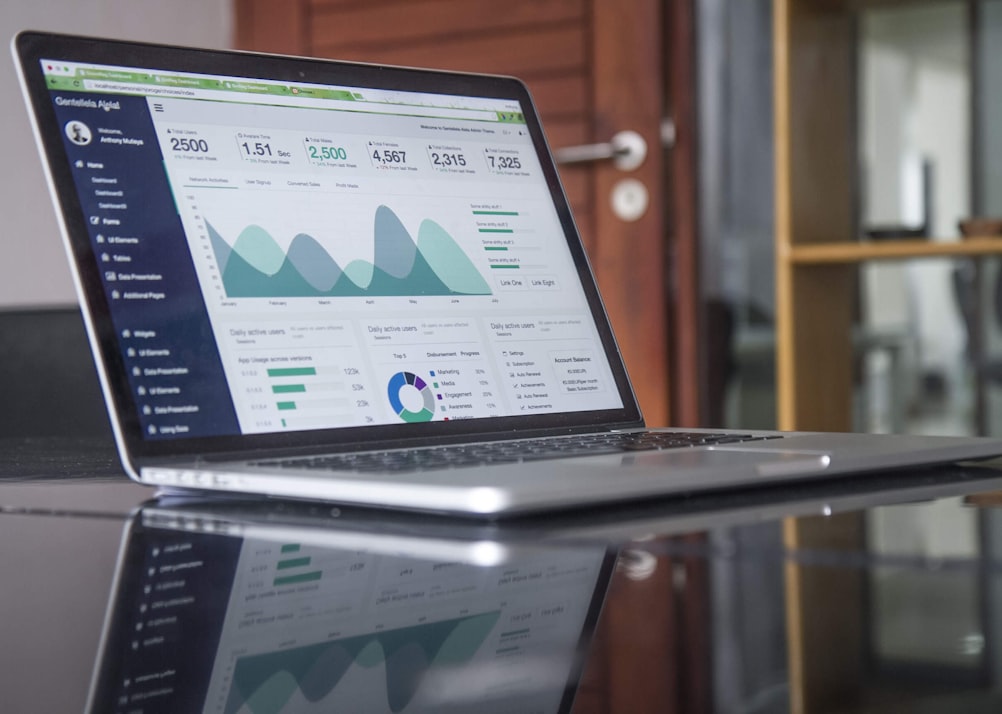
A data-driven presentation is a slide deck in which the content — charts, KPIs, tables, and narrative text — is directly derived from live or structured data sources rather than manually entered. Rather than copying figures from a dashboard into PowerPoint, data-driven presentations pull information automatically from connected systems such as CRM, ERP, or BI tools. The result is a living presentation that always reflects current data — and is the foundation of Agentic Slides architecture.
Learn more
Agentic Enterprise
An Agentic Enterprise is an organization in which AI agents autonomously handle entire workflows — including thinking, deciding, and communicating — on behalf of teams. Rather than using AI as a passive assistant, the Agentic Enterprise embeds autonomous agents into its core processes: data updates, content production, and stakeholder communication all happen with minimal human input. The concept represents a shift from AI-assisted work to AI-orchestrated operations.
Learn more
Vocal distractions
Vocal distractions are habits or patterns in a speaker's voice that draw attention away from the content of a message. These include filler words like 'um' and 'uh', monotone delivery, excessive speed or slowness, a rising intonation at the end of statements (upspeak), and throat-clearing. Vocal distractions reduce the impact and perceived professionalism of a presentation. They can typically be addressed through targeted public speaking practice, recording and self-review, and professional coaching.
Learn more