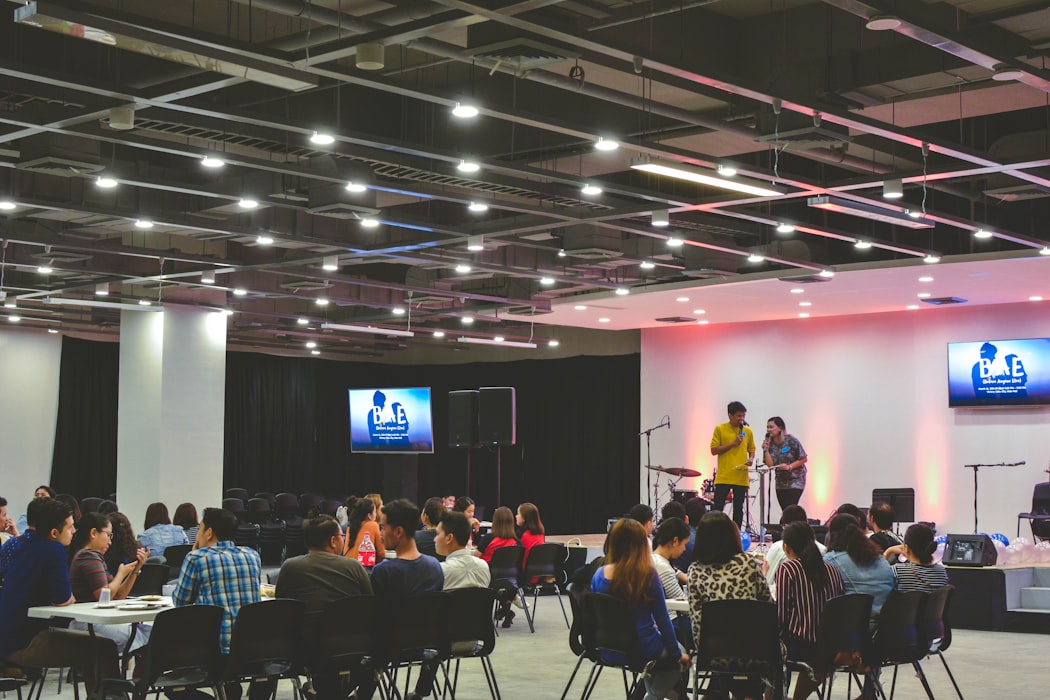
Virtual Event
A virtual event is an event that takes place entirely online, with all participants joining remotely via digital platforms. Virtual events range from webinars and online conferences to virtual trade shows, networking events, and team celebrations. They eliminate geographic and logistical barriers, allowing global participation at low cost. Successful virtual events invest in interactivity — live polls, Q&A sessions, breakout rooms, and networking features — to compensate for the lack of physical presence.
Learn more
AI-Powered Workflow
An AI-powered workflow is a business process in which artificial intelligence automates one or more steps that would otherwise require manual work. This can range from simple rule-based automation to fully autonomous agents that plan, execute, and adapt in real time. In communication and marketing teams, AI-powered workflows are used to streamline content production, approval processes, and distribution — reducing time-to-delivery and freeing teams for higher-value work.
Learn more
Display duration
Display duration in PowerPoint refers to the length of time a slide remains visible before automatically advancing to the next one. Setting a display duration enables auto-play presentations that run without manual input — useful for kiosks, event loops, or self-running demos. Duration settings are configured per slide in the Transitions panel and can be combined with timing controls on individual animations to choreograph a fully automated presentation sequence.
Learn more
TOK Presentation
The Theory of knowledge (TOK) presentation is an essential part of the International Baccalaureate Diploma Program (IB). The TOK presentation assesses a student's ability to apply theoretical thinking to real-life situations.
Learn more